A Campus Without a College
The Hilltop has finally found a buyer. One who can actually afford to close, that is.
After months of vacancy, speculation, and the slow ache of watching our beloved campus sit silent, The Hilltop will soon echo again with footsteps.
But they will not be the footsteps of students hurrying to class, or professors pacing during a passionate lecture, or seniors wandering the quad with the peculiar mixture of relief, delight, and dread that comes with the bittersweet end of a fulfilling college career.
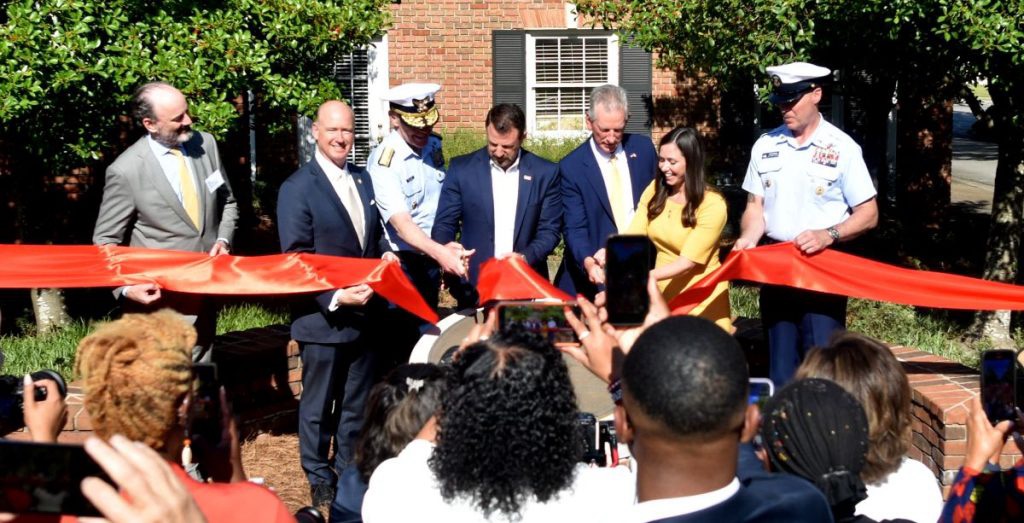
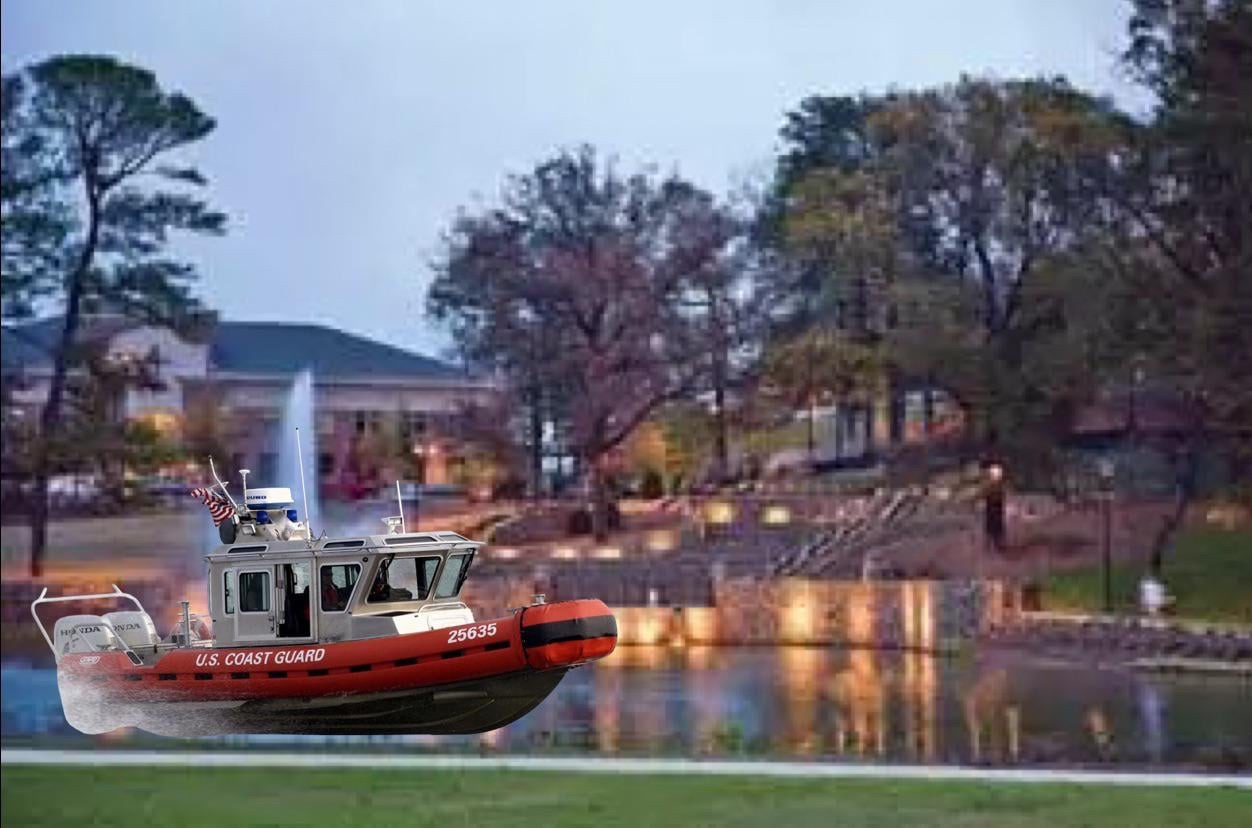
Rather, the grounds will belong to the United States Coast Guard—a U.S. Department of Homeland Security agency which finds itself flush with recruits and vast federal appropriations.
Where was this federal funding to save BSC when we needed it? If only our government prioritized preserving educational institutions as much as furthering its military machine…
There is a certain dark poetry to it, certainly a gloomier kind than the fitting irony of The Hilltop nearly becoming a HBCU institution.
That full-circle conclusion would have been fulfilling, rich, and right.
This fate is more difficult to digest.
For months, The Hilltop campus has been a financial orphan: too expensive, too expensive, too indebted – wrong location, too sprawling for a private buyer; too complicated for urban redevelopment; too costly to maintain as an academic institution.
Once the intellectual crown of Birmingham, The Hilltop had become—in the language of real estate—an unattractive asset.
And yet, as it turns out, there was a buyer all along. Not The State, not another educational institution, not a HBCU, not a real estate development firm—the federal government.
All it took was billions in new federal homeland security funding, a surge in Coast Guard recruiting, and a sudden need for more military training and operational space.
So the campus will live on. Sort of.
Bill Battle will not crumble; Munger will not be mowed down to pave the way for urban redevelopment. Norton will not become ivy-choked ruins. The library will not collapse into a dust of memory.
In a literal, physical sense, The Hilltop has been saved.
And yet, this is not a victory or cause for celebration.
It is rather a kind of bittersweet elegy.
The campus which will now welcome marching formations once welcomed something very different: the unruly, expansive, hopeful spirit of a liberal arts college.
Because The Hilltop is (was) more than a place, much, much more.
The Hilltop was a place where curiosity was cultivated, where young minds learned to argue, explore, and imagine. The air that moved through the hallways carried the soft chaos of soon-to-be world-changers, of young, beautiful, brave souls ready to forge lives of significance.
The new Hilltop will carry the cadence of drills, not dreams.
There is a dignity in military service. No criticism here is aimed at the men and women of The U.S. Armed Forces, and those who serve their country with courage and pride.
But let’s not confuse things — a military training installation is not a college. A parade ground is not The Quad.
This transformation is tragic, not triumphant.
This sale marks the final chapter of a long, sad saga. The Hilltop will endure in physical form, but the spirit that animated it only lives on in memory.
The free, wandering conversations under Gingko trees…
The fiery midnight debates in dorms…
The strange social alchemy that happens when a few thousand young people reside together for the sole purpose of learning, laughing, living and loving…
For years, the narrative surrounding Birmingham-Southern’s collapse has drifted toward the language of inevitability.
Demographics changed. Tuition models shifted. Higher education became expensive. Markets moved. Liberal arts colleges become dinosaurs in an age of pre-professionalism and hyper-specialization.
Forces of fate, impossible to ignore…
But institutions do not die because the winds of society shift. They fail because people—fallible, faulty individuals, in very specific rooms—made very specific decisions.
Birmingham-Southern was not struck by lightning. It was mismanaged.
And, as often happens in institutional tragedies, the damning decisions are already dissolving into the comfortable fog of time. The architects of failure move on to new titles, new boards, new ventures. The record softens.
Accountability fades while The Hilltop changes flags.
The Hilltop will not rot. This is the good news.
But we are still left with more questions than answers. DHS is paying a premium price for the campus – what will that substantial surplus go to as directed by The BSC Foundation?
It is unlikely these funds will go to severance packages for terminated long-time staff and faculty, who deserve it the most.
Will it go towards the creation of a robust BSC memorial or monument, or an alumni community fir engagement events in The College’s afterlife?
This sale plan still requires final approval from the Alabama AG, the office responsible for approving and monitoring nonprofit asset sales. Let’s hope it all goes through this time…
The harder truth is that Birmingham-Southern—the college, the community, the little republic of love, life, and learning that once stood there on that hill in West Birmingham—has already passed into history.
This is not a rebirth. It is the last line of this ruinous tragedy.